Metallic Foil Texture Digital Papers: A Versatile Design Resource for Creative Projects
Metallic foil texture digital papers have become a popular choice among designers, crafters, and creators looking to add a touch of luxury and sophistication to their work. These digital paper sets offer a unique blend of elegance and versatility, making them ideal for a wide range of applications—from graphic design to handmade stationery. Whether you're creating social media banners, invitations, or packaging, the metallic sheen of these textures can elevate your designs and make them stand out.
What Are Metallic Foil Texture Digital Papers?
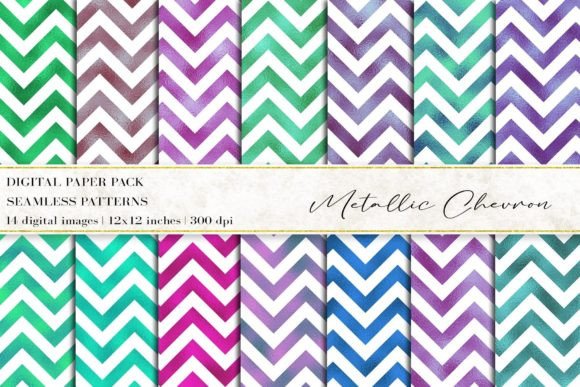
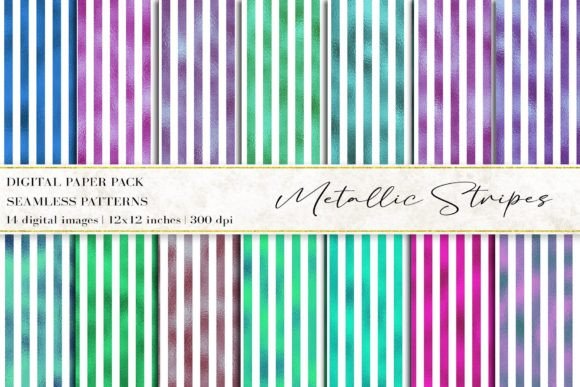
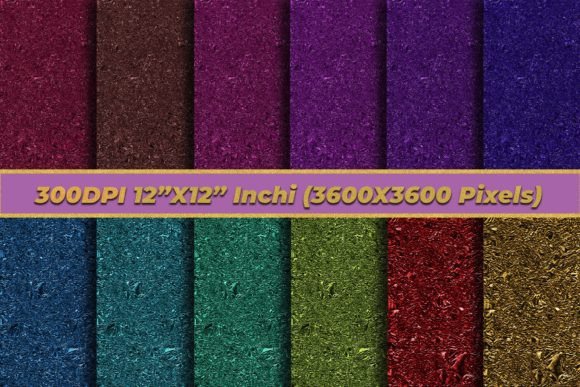
Metallic foil texture digital papers are high-resolution images that simulate the look and feel of real foil surfaces. They typically feature reflective, shiny patterns that mimic gold, silver, or other metallic finishes. These digital papers are designed to be used as backgrounds or overlays in various creative projects. The texture is often achieved through digital illustration techniques, ensuring that it maintains its quality across different file formats and print sizes.
The specific set mentioned contains 12 JPEG images, each measuring 12 inches by 12 inches at 3600×3600 pixels and 300 DPI. This resolution makes them suitable for both digital and print use, ensuring clarity and detail even when scaled up. All files are compressed into a single ZIP archive, which simplifies the download and extraction process for users.
How Do Metallic Foil Textures Compare to Other Digital Paper Options?
When compared to traditional digital paper options like watercolor, geometric patterns, or abstract gradients, metallic foil textures offer a distinct visual appeal. While watercolor textures provide a soft and organic feel, and geometric patterns offer structure and symmetry, metallic foils bring a sense of glamour and modernity to any design. This makes them particularly well-suited for projects that aim to convey a luxurious or sophisticated aesthetic.
Compared to matte or glossy finishes, metallic textures have a more dynamic appearance due to their reflective nature. This can be both an advantage and a consideration depending on the project's needs. For instance, in print media, the metallic effect might require special printing processes to achieve the same visual impact as seen on screen. However, for digital use—such as social media graphics or website banners—the effect is fully realized without additional processing.
Best-Fit Situations for Metallic Foil Texture Digital Papers
Metallic foil texture digital papers are best suited for projects that benefit from a touch of elegance or opulence. Some common use cases include:
- Wedding Invitations and Place Cards: The shimmer of metallic textures adds a celebratory and refined look to event-related materials.
- Business Cards and Logos: A metallic finish can help brand identities stand out and appear more professional.
- Social Media Banners and Graphics: The reflective nature of these textures can catch attention and enhance visual appeal online.
- Scrapbooking and Handmade Stationery: Creators can incorporate these textures to add depth and dimension to personal projects.
- Packaging and Decorated Furniture: Metallic elements can elevate the perceived value of products and home decor items.
Strengths and Limitations of Metallic Foil Texture Digital Papers
One of the primary strengths of metallic foil texture digital papers is their ability to create a visually striking effect with minimal effort. They can transform simple designs into eye-catching visuals without requiring complex layering or advanced design skills. Additionally, the high resolution and format compatibility ensure that they remain clear and crisp across multiple platforms and mediums.
However, there are also some limitations to consider. The reflective nature of these textures may not be suitable for all design contexts. For example, if a project requires a minimalist or muted aesthetic, a metallic texture could be too overpowering. Similarly, using these textures in print may require specialized equipment or inks to replicate the foil effect accurately.
Another factor to consider is the learning curve associated with incorporating these textures effectively. While they are easy to apply, achieving the right balance between the metallic background and other design elements may require experimentation and adjustment.
Alternatives to Consider
If metallic foil textures are not the right fit for your project, there are several alternatives worth exploring. For instance:
- Matte Finish Textures: Ideal for a more subdued and elegant look, especially in print media.
- Abstract Colorful Liquid Backgrounds: These can provide a vibrant and dynamic backdrop without the reflective qualities of metallic textures.
- Stylish Marble Textures: Similar to metallic textures but with a more natural and organic feel, suitable for a range of design styles.
Each alternative has its own strengths and weaknesses, and the best choice will depend on the specific goals of your project and the desired visual outcome.
Practical Tips for Using Metallic Foil Texture Digital Papers
To get the most out of metallic foil texture digital papers, it's important to approach their use thoughtfully. Here are a few practical tips:
- Layer Wisely: Use these textures as backgrounds or subtle overlays rather than letting them dominate the design.
- Balance with Solid Colors: Pair metallic textures with solid colors or simple shapes to avoid overwhelming the viewer.
- Experiment with Lighting Effects: In digital formats, adding light effects can enhance the metallic sheen and create a more dynamic composition.
- Consider Print Requirements: If planning to print, research the appropriate printing methods and materials needed to achieve the desired metallic effect.
By considering these factors, you can ensure that metallic foil texture digital papers are used effectively and enhance the overall quality of your creative work.
In summary, metallic foil texture digital papers are a valuable resource for anyone looking to add a touch of luxury and sophistication to their designs. Their versatility, combined with high-quality resolution and ease of use, makes them an excellent choice for a wide range of creative projects. Whether you're designing invitations, logos, or social media graphics, these textures can help you create visually compelling and professional-looking results.