Enhance Your Creative Projects with Roots Textures
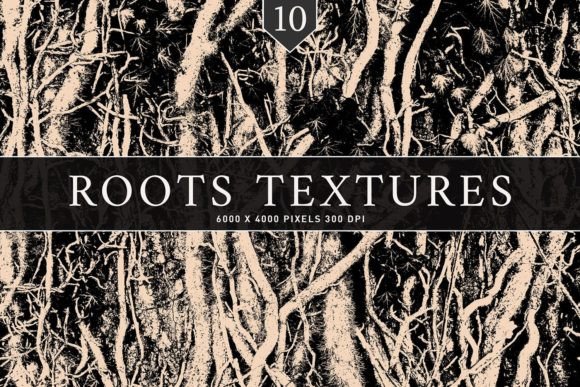
When it comes to digital design, the right textures can make all the difference. Whether you're working on a branding project, designing a website, or crafting social media content, adding depth and realism through textures can elevate your work significantly. Roots Textures is a unique collection of high-resolution, photo-realistic textures designed specifically for creatives who want to enhance their digital projects with professional-grade elements.
This comprehensive set of textures is available in both JPG and PNG formats, ensuring compatibility with a wide range of design software. With dimensions of 6000 x 4000 pixels and a resolution of 300 DPI, these textures are perfect for high-quality outputs, whether you're printing or displaying them digitally. The use of RGB colors ensures vibrant and accurate color representation across different platforms.
Why Choose Roots Textures for Your Projects?
Roots Textures is not just another texture pack; it's a versatile tool that can be integrated into various aspects of creative work. Its compatibility with Adobe Photoshop CC or higher makes it an ideal choice for professionals and hobbyists alike. These textures can be used as overlays, background elements, or even as part of more complex compositions.
One of the standout features of Roots Textures is its adaptability. From business cards to wedding invitations, from digital scrapbooking to photography album backgrounds, these textures can be tailored to fit almost any project. Their high resolution ensures that they remain crisp and clear, even when scaled up for large prints or high-resolution displays.
- Graphics Design: Use these textures as a base for your designs, adding a tactile feel to otherwise flat images.
- Social Media Content: Create eye-catching posts with unique background textures that stand out in a crowded feed.
- Branding Materials: Incorporate subtle textures into logos, packaging, or promotional materials to create a more sophisticated look.
- Photography: Enhance your photos with seamless textures that add dimension without overpowering the image.
How to Integrate Roots Textures Into Your Workflow
Integrating Roots Textures into your workflow is straightforward. Start by downloading the texture pack and importing it into your preferred design software. Once loaded, you can apply the textures as layers, adjusting opacity and blending modes to achieve the desired effect.
If you're using Adobe Photoshop, you can easily drag and drop the textures onto your canvas. You might find it useful to adjust the layer blending mode to something like "Multiply" or "Overlay" to blend the texture seamlessly with your existing design elements. For Canva users, importing these textures is equally simple—just upload the files and position them behind your text or graphics.
Another great way to use Roots Textures is as a backdrop for text overlays. By placing a textured background behind your text, you can add visual interest and depth, making your message more engaging. This technique works particularly well for quotes, headlines, and call-to-action elements in marketing materials.
Common Uses and Scenarios
The versatility of Roots Textures means it can be applied in numerous scenarios. Here are some common applications where these textures shine:
- Digital Scrapbooking: Use textures to create realistic paper effects, giving your layouts a tactile, handcrafted appearance.
- Website Backgrounds: Apply subtle textures to your site’s background to add character without distracting from the content.
- Product Packaging Design: Add a touch of elegance with textures that mimic real-world materials like wood, stone, or fabric.
- Event Invitations: Enhance party or wedding invites with unique textures that reflect the theme or occasion.
These examples highlight how Roots Textures can be a valuable asset in a designer’s toolkit. Whether you're aiming for a rustic, modern, or vintage aesthetic, there's a texture that can help you achieve the look you're going for.
When choosing textures for your project, consider the overall style and purpose of the design. A minimalist layout might benefit from a very subtle texture, while a more intricate design could handle a bolder pattern. Always test the texture at different sizes and opacities to ensure it complements rather than competes with your main design elements.
Considerations Before Using Roots Textures
While Roots Textures offers a wealth of possibilities, it's important to keep a few considerations in mind before incorporating them into your work. First, ensure that the texture you choose aligns with the overall tone and message of your project. A mismatched texture can detract from the professionalism of your design.
Also, remember that textures should be used sparingly. Overusing them can lead to cluttered visuals that may confuse or overwhelm the viewer. It's best to apply textures in moderation, focusing on key areas where they can add value without overshadowing the primary content.
Lastly, always check the licensing terms of the texture pack to ensure that you're allowed to use it for your intended purpose. Some textures may have restrictions on commercial use, so it's crucial to understand what you're permitted to do with the assets you download.
By keeping these factors in mind, you can effectively leverage Roots Textures to enhance your creative projects while maintaining a cohesive and professional look.
Whether you're a seasoned designer or just starting out, Roots Textures provides the tools you need to take your work to the next level. With its high quality, versatility, and ease of use, this texture collection is a must-have for anyone looking to add depth, realism, and creativity to their digital projects.